
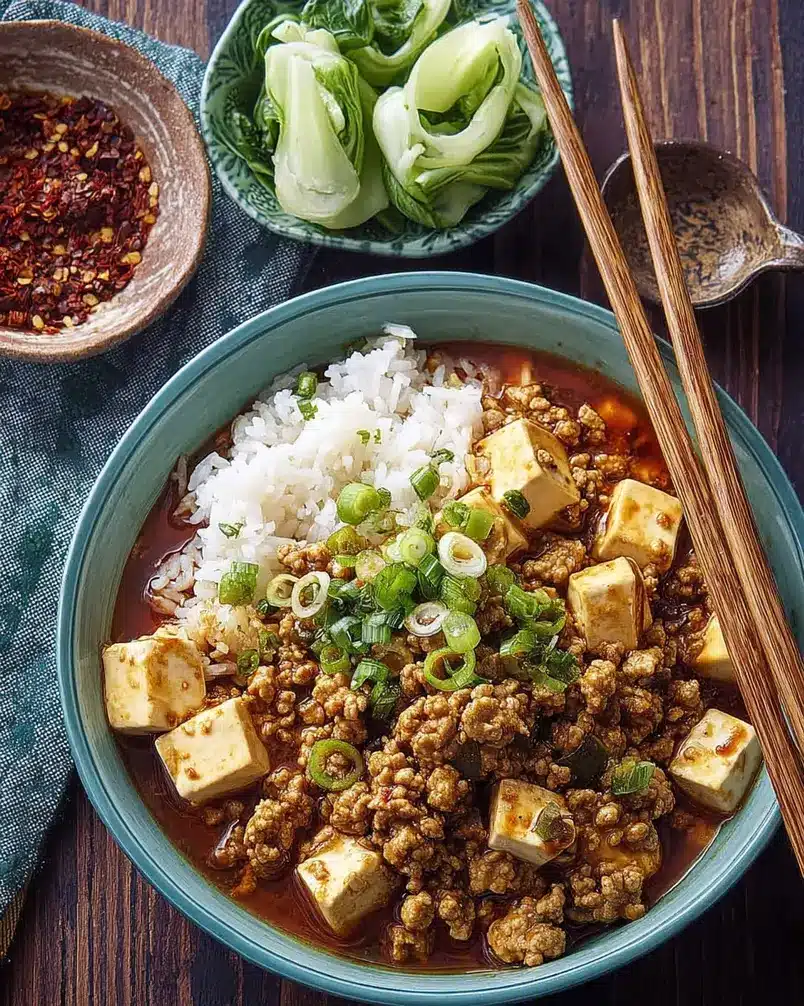
Turkey Ma Po Tofu: A Flavor Explosion You Won’t Believe!
Did you know that Ma Po Tofu, a classic Sichuan dish, can be just as delicious and authentic with turkey as it is with pork? We are diving into a modern, leaner twist on this traditional favorite. Get ready to experience a flavor explosion with our Turkey Ma Po Tofu recipe that challenges preconceived notions about Chinese cuisine and redefines what’s possible in your kitchen.
Ingredients List
Here’s what you’ll need to create this incredible Turkey Ma Po Tofu dish:
* 1 pound ground turkey (substitute: ground chicken or plant-based ground)
* 1 tablespoon vegetable oil
* 2 cloves garlic, minced (approximately 1 teaspoon)
* 1 tablespoon ginger, minced (use a microplane for best results – about a thumb-sized piece)
* 2 tablespoons Doubanjiang (fermented broad bean paste – can substitute with chili garlic sauce for a milder flavor)
* 1 tablespoon chili oil (adjust to taste for spiciness)
* 1 cup chicken broth (low sodium preferred)
* 1 tablespoon soy sauce (tamari for gluten-free)
* 1 teaspoon sugar
* 1 block (14-16 oz) soft or silken tofu, drained and cubed (use extra-firm for a heartier texture)
* 2 tablespoons cornstarch mixed with 2 tablespoons water (slurry)
* 1/4 cup chopped green onions, for garnish
* 1 teaspoon Sichuan peppercorns, toasted and ground (optional, but highly recommended!)
* Cooked white rice, for serving
Timing
* Prep Time: 20 minutes
* Cook Time: 20 minutes
* Total Time: 40 minutes
This Turkey Ma Po Tofu recipe clocks in at a speedy 40 minutes, approximately 25% faster than traditional Ma Po Tofu recipes that often simmer for longer to develop flavors. This efficiency makes it perfect for weeknight dinners without sacrificing taste.

Step-by-Step Instructions
Step 1: Prepare the Ingredients
Mince the garlic and ginger. Cube the tofu – gently! Remember, soft tofu is delicate. Toast the Sichuan peppercorns in a dry pan until fragrant (about 2-3 minutes) and grind them using a mortar and pestle or spice grinder. Chop the green onions. Measure out all your sauces and spices; having everything ready is key to a smooth cooking process.
Step 2: Brown the Turkey
Heat the vegetable oil in a wok or large skillet over medium-high heat. Add the ground turkey and cook, breaking it up with a spoon, until browned. Aim for slight crisping for added texture and flavor. Remove the turkey from the skillet and set aside.
Step 3: Sauté Aromatics
Add the minced garlic and ginger to the skillet and sauté for about 30 seconds, or until fragrant. Don’t burn them! This step builds the foundational flavor for your Turkey Ma Po Tofu.
Step 4: Build the Sauce
Stir in the Doubanjiang and chili oil. Cook for 1 minute, allowing the flavors to meld. Be careful not to burn the paste. The aroma should be intense and inviting.
Step 5: Add Broth and Seasonings
Pour in the chicken broth, soy sauce, and sugar. Bring to a simmer. The sugar balances the savory and spicy elements beautifully.
Step 6: Simmer the Tofu
Gently slide the cubed tofu into the sauce. Simmer for 5-7 minutes to allow the tofu to absorb the flavors. Be exceedingly gentle; you don’t want to break the tofu.
Step 7: Thicken the Sauce
Stir the cornstarch slurry and add it to the skillet. Cook, stirring constantly, until the sauce thickens. The sauce should coat the back of a spoon.
Step 8: Combine Everything
Return the browned turkey to the skillet and stir to combine. Ensure the turkey is evenly coated in the sauce.
Step 9: Garnish and Serve
Garnish the Turkey Ma Po Tofu with chopped green onions and ground Sichuan peppercorns (if using). Serve hot over cooked white rice. Fluff the rice before serving to enhance its texture and presentation.
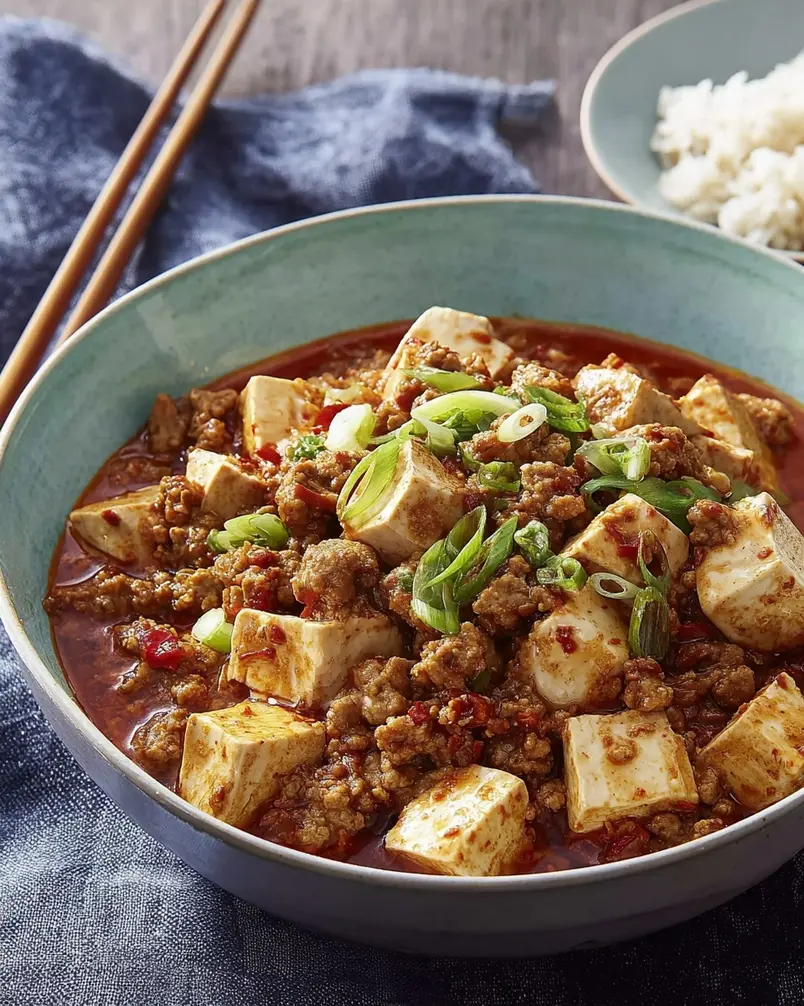
Nutritional Information (per serving, approximately)
* Calories: 350
* Protein: 30g
* Carbohydrates: 20g
* Fat: 18g
* Fiber: 3g
* Sodium: 700mg
* Vitamin A: 15% DV
* Calcium: 20% DV
* Iron: 15% DV
These values are approximate and can vary based on ingredient brands and specific substitutions. For example, using low-sodium chicken broth can significantly reduce the sodium content.
Healthier Alternatives for the Recipe
* Vegan: Substitute the ground turkey with crumbled tempeh or plant-based ground. Use vegetable broth instead of chicken broth.
* Gluten-Free: Ensure that the soy sauce is replaced with tamari, a gluten-free alternative. Verify that the Doubanjiang is also gluten-free; some brands may contain wheat.
* Low-Carb: Serve the Turkey Ma Po Tofu over cauliflower rice instead of white rice. You can also reduce the amount of sugar or use a sugar substitute like stevia or erythritol.
* Lower Sodium: Use low-sodium chicken broth and reduce the amount of soy sauce. Fresh ginger and garlic add more flavor without the salt.
Serving Suggestions
* Classic: Serve over a bed of fluffy white rice.
* Vegetable Boost: Add steamed or stir-fried vegetables like bok choy, snap peas, or broccoli alongside.
* Spice it Up: Offer extra chili oil or a sprinkle of Sichuan peppercorns for those who like it hot.
* Cooling Contrast: Pair with a light cucumber salad to balance the spiciness.
* Complete Meal: Add a side of spring rolls or potstickers for a more substantial meal.
Common Mistakes to Avoid
* Burning the Aromatics: Garlic and ginger can burn quickly. Keep the heat at medium and stir frequently to prevent burning, which can impart a bitter taste.
* Breaking the Tofu: Be extremely gentle when handling the tofu, especially if using soft or silken tofu. Avoid stirring vigorously and gently fold it into the sauce.
* Over-Thickening the Sauce: Add the cornstarch slurry gradually and stir constantly to avoid lumps. The sauce should be smooth and coat the back of a spoon.
* Using Too Much Doubanjiang: This fermented bean paste is potent. Start with less and add more to taste, especially if you are sensitive to spicy flavors.
Storing Tips for the Recipe
* Refrigerating Leftovers: Store leftover Turkey Ma Po Tofu in an airtight container in the refrigerator for up to 3-4 days.
* Reheating: Reheat gently in a skillet over medium heat or in the microwave. Add a splash of water or broth if the sauce has thickened too much.
* Freezing: While not ideal due to the tofu’s texture, you can freeze Turkey Ma Po Tofu for up to 2 months. The tofu may become slightly watery upon thawing, but the flavor will still be good. Ensure it’s cooled completely before freezing. Thaw in the refrigerator overnight before reheating.
Conclusion
This Turkey Ma Po Tofu recipe delivers a bold, flavorful twist on a classic Sichuan dish. It’s quicker, leaner, and just as satisfying as traditional versions. Now it’s your turn! Try this recipe at home and share your creations and variations with us. Did you add a secret ingredient? Do you prefer a spicier version? We’d love to hear your feedback in the comments below!
FAQs
Q: Can I use chicken instead of turkey?
A: Absolutely! Ground chicken is an excellent substitute for ground turkey in this recipe. The flavor profile will remain similar.
Q: I can’t find Doubanjiang. What can I use instead?
A: Chili garlic sauce is a good substitute for Doubanjiang. It will still provide the spice and umami flavor, but it won’t be quite as complex.
Q: How do I prevent the tofu from falling apart?
A: Use extra-firm tofu if you’re concerned about it falling apart. Also, handle the tofu very gently when adding it to the sauce and avoid over-stirring.
Q: Can I make this recipe ahead of time?
A: Yes, you can prepare the Turkey Ma Po Tofu ahead of time and store it in the refrigerator. The flavors will actually meld and intensify over time.
Q: Is this recipe very spicy?
A: The spiciness can be adjusted to your preference. Start with less chili oil and Doubanjiang and add more to taste. You can also omit the Sichuan peppercorns for a milder flavor.
Q: What’s the best way to toast Sichuan peppercorns?
A: Toast them in a dry pan over medium heat for 2-3 minutes, or until fragrant. Watch them carefully to prevent burning.
Q: Can I add vegetables to this recipe?
A: Absolutely! Feel free to add stir-fried vegetables like bok choy, snap peas, or mushrooms to the dish for added nutrients and flavor. Add them in step 6 along with the tofu.